Beyond the Fellowship: Insights and Experiences from Fellows for Life
December 23, 2025 2025-12-23 21:04Beyond the Fellowship: Insights and Experiences from Fellows for Life
What does leadership look like after the Fellowship year ends? In this ongoing Q&A series, we hear directly from Schweitzer Fellows for Life as they reflect on the lessons that have shaped their paths—personally, professionally, and in service to others. From career milestones to moments of impact, these stories highlight the enduring influence of the Fellowship and the many ways our alumni continue to lead with purpose.
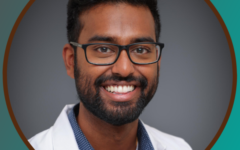
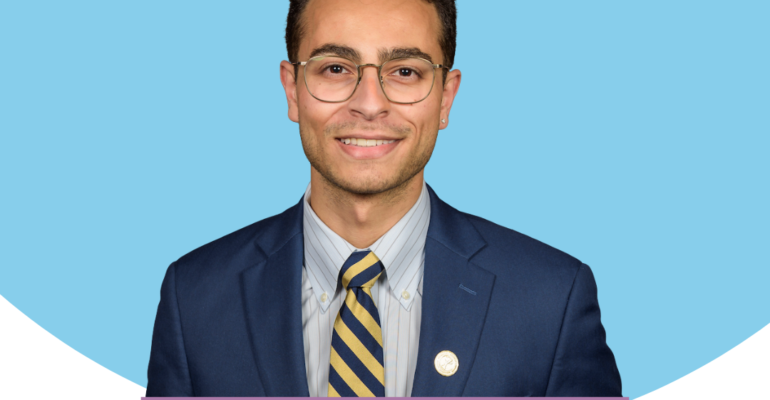
Name: Salem Khalaf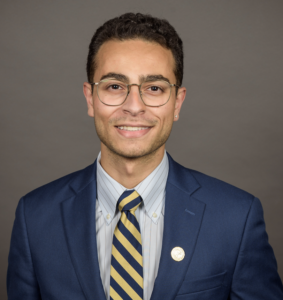
Fellowship Year: 2024-25
Q: What are you currently doing professionally or academically, and how do you feel your Schweitzer Fellowship experience has helped you in your current position?
A: I am currently working clinical rotations in my third year of medical school. ASF definitely helped prepare me to work with people of different backgrounds, ethnicities, personalities, etc. by bolstering my cultural humility, professionalism, and interpersonal relationship skills. This has allowed me to see beyond the medical problems sitting in front of me, see a person, and act as both doctor, in the treatment of their medical issues, and as human, in the addressing of their social determinants of health.
Q: What do you remember most about your Schweitzer Fellowship experience, or what was the most surprising or unexpected gain?
A: I think what was the most unexpected gain to me was when students came up to my project partner and/or me after our session finished just to talk or say thank you, or they asked when the next session was, or what the sessions were going to look like next year. While some students were not interested in our project, the vast majority seemed enthusiastic about our work and wanted to take an active part of it. I was shocked by this as I had preconceived notions of high-school students being more self-absorbed, less focused, less determined. As a result, this made me reflect and reminded me to actively work against my implicit biases in all aspects of my life and not make even the most simple of assumptions.
Q: Tell us more about your ASF project and how you feel it helped shape your career path or academic focus.
A: My ASF project focused on developing cultural humility and civil discourse in high-school aged adolescents. As a result, it further instilled the values of diversity, teamwork, and communication into my life and has led me to a deeper passion for global health which I plan to navigate either in Doctors Without Borders or with the World Health Organization after residency.
Q: How has the Fellowship influenced how you approach leadership, service, or community engagement?
A: My approach to leadership, service, and community engagement has changed because of ASF. I find myself with a more community-based and grassroots approach to service and see it as the most impactful way of creating long-lasting, sustainable change. Additionally, I seek a more servant leadership approach as I hold the mindset that everyone has aspects of leadership in them and needs to be empowered to strengthen this quality, so I want to embolden others to be their strongest self just as they encourage me.
Q: What advice would you give to current or future Schweitzer Fellows?
A: My advice is to be bold. Try and put yourself in uncomfortable positions to either grow yourself or make lasting change, either individually or systematically. Make the biggest impact you can, on both yourself and others.