Raina Jain and Michelle Kung
November 10, 2025 2025-12-06 18:50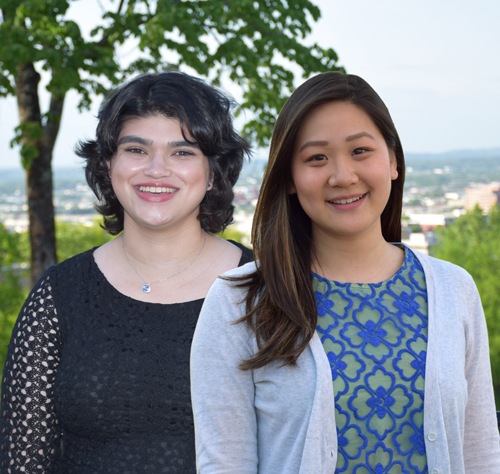
Raina Jain and Michelle Kung
Raina Jain, UAB School of Public Health
Michelle Kung, UAB School of Health Professions
Academic Mentor: Dr. Cayce Paddock
Site Mentor: Ashleigh Lockhart
Site: Sumiton Middle School
Jain and Kung taught life skills such as communication, coping, and time management to 6th, 7th, and 8th grade students at Sumiton Middle School. They taught ~350 students during their 2018-19 school year (from Sept-April), discussing methods for students to better cope with their everyday stressors: social pressure, school work, toxic relationships with friends and family, and more. Kung and Jain used the classroom time to introduce topics, providing links to websites and hotlines where students could access additional resources and help, if needed. They also provided small group sessions for 14 students to facilitate further discussion and application of classroom lessons.
As a result of the program:
- 222 students practice at least one coping skill every day
- 223 students improved communication skills
- 255 students feel more knowledgeable about the risks associated with opioid misuse
- 12 of 22 (55%) students that have ever misused prescription medications, reported decreased use of opioids over the past 3 months
- 50 of 63 (79%) students that have ever tried cigarette smoking, reported decreased use of cigarette smoking over the past 3 months
- 77 of 118 (65%) students that have ever tried vaping, reported decreased use of vape products over the past 3 months
- 75 of 110 (68%) students that have ever drunk alcohol, reported decreased consumption of alcohol over the past 3 months
“I’ve learned that you don’t need to be an expert to have a positive impact, if you approach the community with cultural humility, a willingness to learn and listen, and a sincere desire to help.” Raina Jain
“This experience has changed how I view the opioid epidemic in America. As a student, the impact of the opioid epidemic is taught to us – through this fellowship, I was able to learn how opioid abuse can impact families, particularly the children, on a personal level.” Michelle Kung