Tanya Nix
November 10, 2025 2025-12-09 11:33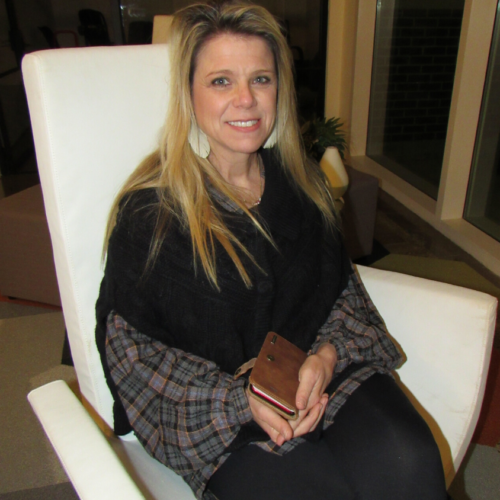
Tanya Nix
Academic Mentor: Dr. Debra Bowers
Site Mentor: Tonya Judson
Site: The Foundry
Tanya assisted The Foundry’s medical clinic, provided by the UAB School of Nursing, with transitioning from paper charting to an electronic medical record called Apricot. Over the last 9 months, all residents from all three clinics under The Foundry have had past paper records converted to Apricot. Most of the patient’s demographics and past medical history are now available in Apricot, which went live on February 1st, 2021. Since then, Tanya has focused on revising anything in the Apricot template to make charting and retrieving past clinic visits more user friendly. Apricot has also allowed the providers to run special reports to analyze any data that might be needed to evaluate the clinic’s overall operation.
As a result of the program:
- Improved workflow for the providers, reducing the time to find past records and medications, to record the plan of care for the visit, and the potential for medical errors
- Improved quality care outcomes for the patients
- Reduced costs, such as for unnecessary repeat labs
- Produced reports to validate continued funding and to acknowledge benefits of having clinics
This project will be continued with the Apricot EMR being utilized in The Foundry Clinics. UAB School of Nursing undergraduate and graduate students, as well as two new Albert Schweitzer Fellows, will continue to be involved in The Foundry adding any questionnaires or other pertinent items to Apricot or in efforts to continue improving the clinic’s overall flow.
“As an AS Fellow, I have learned the importance of providing quality care to underserved communities who are the population that are most affected by the healthcare crisis we are experiencing and who have the most limited resources. The Foundry has a high patient population with mental health diagnoses and some form of substance abuse. I have learned working with this population how their addiction and mental illnesses have been learned or inherited by circumstances they could not control. These patients have been very respectful, thankful, and motivated to change the path that they were given. The clinic providers have demonstrated compassion and an interest in the Foundry patients’ success and wellbeing. This has inspired me to become involved in volunteering at The Wellhouse with human trafficking victims and with Trafficking Hope at my church in attempts to have an impact in decreasing the number of victims who are similar to those at The Foundry. I hope to become involved politically in passing policies in efforts to improve this crisis that is present in our own city.”