Trinity Houston
November 11, 2025 2025-12-06 18:44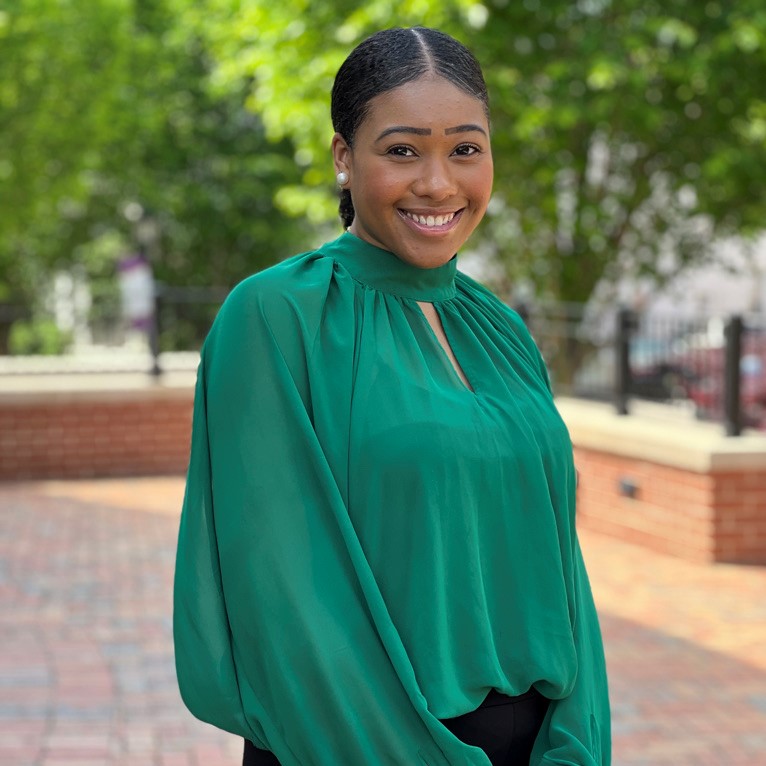
Trinity Houston
Academic Mentor: Dr. Heather Austin
Site Mentor: LaCrecia Day & Sarah Hart
Site: Impact Family Counseling
The goal of Trinity’s program was to foster mental and emotional development while emphasizing good decision making, in hopes of reducing future gun violence among our youth. Through the duration of the program, Trinity conducted in-school sessions twice a week on designated themes each month. These themes addressed mental health, gun violence awareness, emotional wellness, self-care, good decision making, conflict resolution, and advocacy/activism. Interactive activities, such as, jeopardy, kahoot, and bingo games, were implemented within the curriculum to test knowledge of topics discussed while also encouraging team-work. Lastly, she was able to have guest speakers discuss the severity of gun violence in the Birmingham community, as well as effective mindfulness practices for young adolescents.
As a result of the program:
- 45% or participants showcased improvements in self-efficacy
- 72% expressed improvements in perceived stress
- 55% showcased improvements in conflict-resolution
- 100% showed improvement in at least one area between self-efficacy, perceived stress, and conflict resolution, with 73% showing improvements in 2 areas or more.
“The Albert Schweitzer program taught me how to keep my target population at the forefront of my focus when addressing health disparities. It’s not simply about adding programs or increasing resources to areas I feel are necessary, but rather hearing the concerns of my target population directly & using that as my catalyst for implementing change. When doing my program, I quickly realized the importance of including my students in developing my curriculum and activities, as resources are meaningless if they are not effectively tailored to the population you’re working with. I was able to practice perseverance and adaptability in the face of adversity. I was also able to utilize those with varying levels of expertise and experience to help me most effectively carry out important lessons within my program. As a result, I feel more equipped to play a role in addressing health disparities in my future career. Ultimately, I know this experience has not only made me a better leader, but someone who will be a more effective listener & provider in the future.”
Powered By EmbedPress