What Inspires the 2026-2027 Albert Schweitzer Fellows of Alabama (Part 2)
April 30, 2026 2026-05-26 14:08What Inspires the 2026-2027 Albert Schweitzer Fellows of Alabama (Part 2)
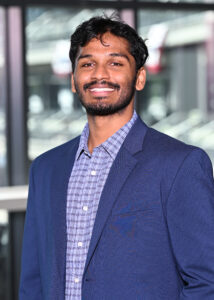 Dhanvi Kantamneni, UAB School of Dentistry
 One experience that inspired my commitment to serving others occurred during my undergraduate years, when I volunteered with Cahaba Valley Health Care. In this role, I assisted third- and fourth-year dental students as they provided free dental care to members of the community who otherwise could not afford treatment. What struck me most was the profound gratitude patients expressed — even toward me, despite my limited knowledge of dentistry and relatively small role in their care. Their appreciation was illuminating and made me realize how much of an impact I could have by simply displaying compassion.
What problem in your community keeps you up at night, and what do you hope to do about it?
A problem in my community that I often think about is how frequently people experiencing homelessness are dehumanized and treated as though they are less worthy simply because of their circumstances. It is easy for society to overlook them, yet every person in that situation carries a complex story shaped by factors that are often far beyond their control. I believe that even when we are unable to help financially, small gestures of acknowledgment — such as a smile or a simple “good morning” — can restore a sense of dignity and remind someone that they are seen. I hope to contribute to addressing this issue by leading through example, consistently treating individuals experiencing homelessness with respect and genuine compassion, even in brief interactions.
 Carson Kim, UAB School of Dentistry
What moment inspired your commitment to serving others?
I saw my parents’ and grandparents’ commitment not only to our family, but also to their community. They worked long hours and made sacrifices so their children could have opportunities they never had. At the same time, they were always willing to help neighbors, friends, and others around them, whether that was late nights at the office or weekends at the local food bank. Watching their dedication showed me that success is not just about personal achievement, but about lifting others up along the way.
What problem in your community keeps you up at night, and what do you hope to do about it?
The gap between healthcare resources, specifically oral health resources, and the people who need them most concerns me. Many individuals face barriers like limited health literacy or access to care, especially in Alabama. I hope to address this by focusing on patient education and prevention, helping people better understand their health and access the care they need.
 Abbie Kleckley, UAB Heersink School of Medicine
What moment inspired your commitment to serving others?
I knew I wanted to dedicate my career to serving others after reading about Paul Farmer and his work in Haiti. I was inspired by his dedication, humility, and ability to engage and empower the communities he worked alongside. Since then, I’ve sought out many opportunities to learn what it truly means to serve others, and I am excited to continue my growth through the Albert Schweitzer fellowship.
What problem in your community keeps you up at night, and what do you hope to do about it?
The issue that keeps me up at night is how limited health literacy is in my community and how easily conflicting information in the media adds to that confusion. Many people grow up without the knowledge or confidence to navigate healthcare, ask questions, or make informed decisions. One way I hope to address this is through a project focused on improving women’s health literacy among teen girls in our community. Beyond this, I plan to stay engaged through advocacy and community work that expands access to clear, trustworthy, and understandable health information for people of all ages.
 Jocelyn McAlpine, UAB School of Nursing
What moment inspired your commitment to serving others?
My commitment to serving others was shaped in childhood by watching my mother care for our older neighbors in our rural town. Families would call our house asking her to check on a loved one who wasn’t feeling well, and I frequently went with her. She would stop by their homes to offer calm reassurance or gently urge someone to seek more advanced care when needed. I will never forget how she quietly supported people to protect their dignity. In a community where many mistrusted the healthcare system, they trusted her. Seeing her compassion inspired my desire to serve others with the same respect and humility.
What problem in your community keeps you up at night, and what do you hope to do about it?
The problem that keeps me up at night is the low level of health literacy in my community and its impact on medical decision-making. I often see individuals diagnosed with conditions they don’t fully understand, limiting their ability to advocate for themselves or their families. This leads to preventable complications and missed opportunities for wellness. I hope to address this by creating a culturally responsive, safe space where community members can learn, ask questions, and feel empowered to take ownership of their health.
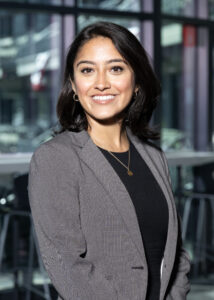 Rabab Meghani, UAB Heersink School of Medicine
What moment inspired your commitment to serving others?
I have always enjoyed philosophy, so much so that I received my undergraduate degree in it. The study of philosophy forced me to reckon with my existential purpose, and I found the most genuine purpose came from serving others. My studies and life experiences have reinforced this notion and have prompted me to dedicate my career to serving others, because really how could our time here be better spent?
What problem in your community keeps you up at night, and what do you hope to do about it?
I am extremely passionate about eradicating food insecurity within our communities and also on a global scale. The world produces more than enough food to feed all of its citizens, and yet a multitude of communities face food insecurity, hunger, and even starvation. The reasons for this vary from intentional blockades to dysfunctional distribution. However, local action is an important first step to take in combatting food insecurity. Beyond this, advocacy and fundraising for farther populaces that may face food insecurity is how I hope to expand my efforts in combatting hunger.
 Gift Nnamdi, UAB Heersink School of Medicine
What moment inspired your commitment to serving others?
One moment that shaped my commitment to serving others occurred while I was volunteering as a camp counselor in a watershed education program for elementary school students. During an activity where we were testing water quality and discussing environmental health, one student asked whether people could have jobs protecting and improving the environment. What struck me was that for many of the students, this was the first time they had been introduced to the idea that they could play a role in improving the well-being of their own communities. That moment reminded me how powerful access to knowledge and opportunity can be. It inspired me to pursue work that not only addresses health challenges but also empowers communities with the tools and information needed to advocate for their own health.
What problem in your community keeps you up at night, and what do you hope to do about it?
One issue that often concerns me is how many people delay or avoid preventive care until a health crisis occurs. In many communities, barriers such as limited access to healthcare, lack of reliable transportation, mistrust of medical systems, and stigma surrounding certain conditions prevent individuals from seeking care early. I hope to help address this by bringing health resources into trusted community spaces where people already feel comfortable by making preventive health support more visible, approachable, and rooted in the communities it is meant to serve.
 Jillian Richardson, Auburn University – Harrison College of Pharmacy
What moment inspired your commitment to serving others?
Growing up in my community between Auburn and Montgomery, I was consistently surrounded by individuals I deeply care about facing real challenges. Witnessing friends and family be directly affected by health disparities and limited access to resources opened my eyes at an early age. Those experiences were not distant or abstract; they were personal and immediate. Seeing the impact firsthand inspired a deep sense of responsibility within me to serve others, advocate for my community, and work toward creating meaningful change.
What problem in your community keeps you up at night, and what do you hope to do about it?
One issue that continues to weigh heavily on me is the lack of education and open conversation surrounding physical, emotional, and mental health. In many communities like mine, there is still a strong stigma attached to seeking help, which prevents individuals from accessing the care and support they need. This silence can lead to worsening health outcomes and a cycle of misunderstanding. I hope to be part of the change by promoting education, fostering safe and supportive environments for dialogue, and advocating for accessible resources that empower individuals to prioritize their well-being without fear or judgment.
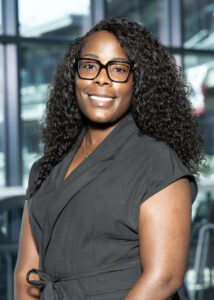 LaQuadria Robinson, UAB School of Nursing
What moment inspired your commitment to serving others?
My commitment to serving others grew from witnessing how unresolved psychological trauma shapes the emotional and physical health of individuals across the lifespan. Working within community settings, I repeatedly encountered individuals whose struggles with anxiety, depression, and chronic stress were rooted in earlier adverse experiences that had never been recognized or addressed. Recognizing the profound and lasting influence of trauma strengthened my resolve to contribute to research and community-based education that promotes healing, resilience, and mental well-being.
What problem in your community keeps you up at night, and what do you hope to do about it?
One concern that continues to weigh heavily on me is the persistent lack of awareness and early intervention surrounding childhood trauma in underserved communities. Many young people carry emotional wounds that remain unrecognized until they manifest as mental health challenges later in life. Through research, education, and community partnerships, I hope to expand trauma-informed resources and equip youth with practical tools — such as journaling, mindfulness, and access to supportive services — that foster resilience and healthier developmental trajectories.
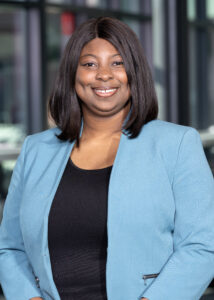 Shallom Enogela, UAB School of Education and Health Sciences
What moment inspired your commitment to serving others?
My commitment to serve others began as I grew up surrounded by older adults who sought to serve their communities. My mom modeled this through leadership, community engagement, and discipline, while my dad demonstrated the same through his medical career and impact. Their example shaped how I understood responsibility and care. That foundation became even more real during a regional wellness day with the O’Neal Comprehensive Cancer Center. I spent the day collecting data, sharing health information, and translating complex concepts into language community members could understand and implement.
What problem in your community keeps you up at night, and what do you hope to do about it?
One issue that weighs heavily on me is the impact of chronic pain on older adults. It often leads to stiffness, reduced movement, and low confidence in engaging in daily physical activity. These challenges are shaped by overlapping barriers such as fear of symptom flares, fatigue, and environments that don’t support consistent movement. Over time, this affects not only physical function but also how people experience independence and navigate their daily lives. Through my project, I hope to address this by using a Chronic Disease Self-Management (CDSM) informed small-group approach that helps older adults integrate low- to moderate-impact movement into their everyday routines.
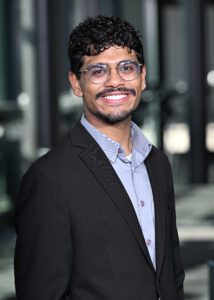 Navaneeth Shibu, UAB Heersink School of Medicine
What moment inspired your commitment to serving others?
As a first-generation immigrant to the United States, navigating the immigration process exposed me to several ways that underserved communities do not have their needs met, whether it be educational access or healthcare availability. I credit the community support around my family for our success, and I wish to serve others in similar capacities.
What problem in your community keeps you up at night, and what do you hope to do about it?
Through multiple projects I have been involved in, I have learned that Birmingham has several resources (whether housing, financial, food, etc.) that are available to those in need. However, a lack of visibility results in several resources being underutilized and people being underserved. In my role as a Care Coordinator at Equal Access Birmingham, our student-run free clinic, I have had the rewarding opportunity to connect our patients to these key resources depending on their individual needs. I hope to continue to do so in my future work.
 Srushti Talluri, UAB School of Public Health
What moment inspired your commitment to serving others?
I grew up in a family where service was woven into our routine. Whether it was organizing hygiene kits for homeless shelters or caroling in senior centers, I learned that communities are sustained by people who show up for one another. Witnessing my parents’ hearts for service and the impact it had on our community was fundamental in shaping my connection to service.
What problem in your community keeps you up at night, and what do you hope to do about it?
The state of maternal and reproductive health in our country, especially in the Deep South, is alarming. As a future physician-advocate, I hope to bridge the gap between clinical insights and policy reform, improving access to quality care and advancing policies that work to address systemic inequities.
 Maddie Thigpen, UAB School of Optometry
What moment inspired your commitment to serving others?
My commitment to serving others grew from a moment when I began to see how deeply vision health is tied to everyday circumstances that many people can’t control. While studying vision science and working with patients, I noticed that conditions like age-related macular degeneration and diabetic retinopathy were not just medical issues, but they were shaped by access to resources, education, and nutrition. What struck me most was that many of these conditions are influenced by diet, yet the patients most at risk often have the least access to healthy food. It made me realize that improving ocular health isn’t only about clinical care; it’s about meeting people where they are and addressing the barriers they face outside the exam room. Seeing the connection between systemic challenges and individual health solidified my commitment to service. I wanted to move beyond treating disease and instead work toward preventing it in ways that are practical and accessible.
What problem in your community keeps you up at night, and what do you hope to do about it?
What keeps me up at night is the growing gap between what we know about preventing vision loss and what people are actually able to do in their daily lives. In my community, many seniors are losing SNAP benefits and are forced to rely on cheaper, processed foods. At the same time, these same individuals are at higher risk for conditions like age-related macular degeneration and diabetic retinopathy — diseases that are closely linked to nutrition. We are asking people to protect their vision while their circumstances make it nearly impossible to follow the recommendations we give them. Through my project, I hope to address this gap in a practical and compassionate way. Ultimately, my goal is to empower people with both knowledge and feasible solutions so that protecting their vision becomes something within reach.
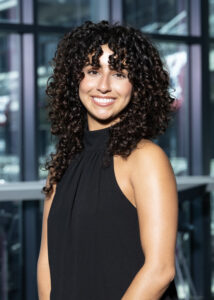 Holly Yazdi, UAB Heersink School of Medicine
What moment inspired your commitment to serving others?
My commitment to serving others didn’t come from a single defining moment but from a slow and steady accumulation of living in a place where people genuinely needed each other. Growing up in a small rural Alabama town, I was surrounded by a kind of community that doesn’t always get talked about, one where resources were limited, but generosity wasn’t. I watched people give their time, their presence, and their energy to one another without expecting anything in return, and that became my earliest understanding of what service actually looks like. It isn’t always grand or visible. Sometimes it is just showing up consistently for the people around you. That environment shaped something in me that has never gone away. The older I get and the more of the world I have seen, the more I understand how rare and valuable that kind of community truly is, and the more I feel called to carry that same spirit into every space I enter and every person I have the privilege of crossing paths with.
What problem in your community keeps you up at night, and what do you hope to do about it?
What stays with me is how much potential quietly goes unrealized in small and rural communities simply because people don’t have access to the right information or the right opportunities. Growing up where I did, I saw how geography and circumstance could shape someone’s entire trajectory without them ever knowing another way was possible. It wasn’t always dramatic or visible; it was subtle, the absence of options rather than the presence of obstacles. And that kind of quiet limitation is in some ways harder to address because it doesn’t announce itself. I hope to be someone who opens doors in those spaces, whether through education, advocacy, mentorship, or simply being present in communities that need people who are willing to show up, stay, and invest in the long term rather than passing through.